

If you’re an introvert trying to figure out how to pick up women as an introvert through dancing, you’re not alone. It’s one of the quiet reasons a lot of us walk into our first Latin dance class.
Here’s what I found out:
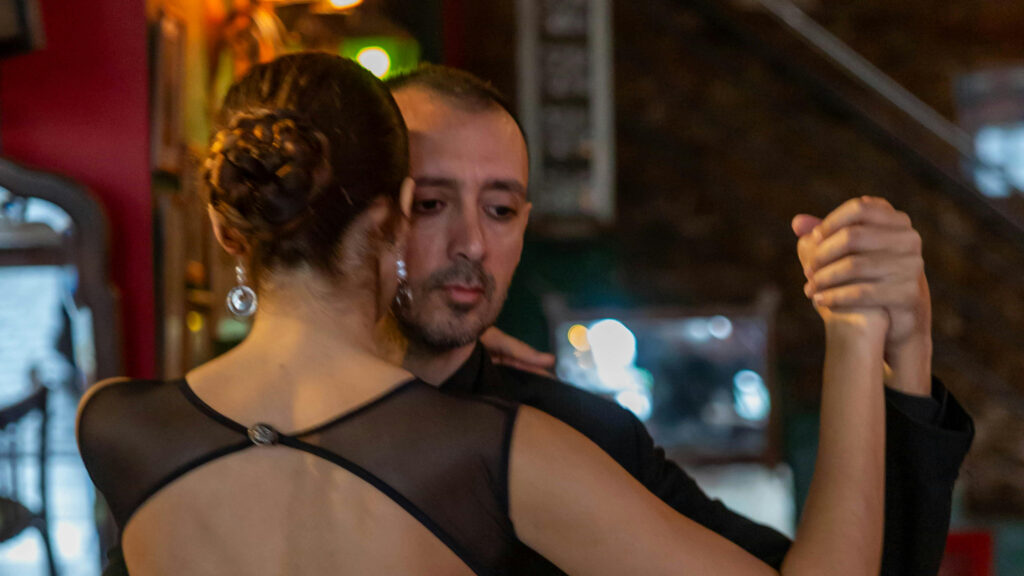
Don’t.
That’s the honest answer… but stick with me, because I haven’t completely click-baited you.
I’m an introvert. Connecting with new people doesn’t come naturally to me. Like a lot of young men, I was drawn to the idea of becoming someone magnetic, someone who just gets women. And somewhere along the way, the quiet notion that women are attracted to men who can dance was enough to get me through the door of my first Latin dance class.
That underlying motive ended up being one of the most harmful things for both my confidence and my growth as a dancer. (If you’re wondering why it took me so long to even walk into that first class, I wrote about exactly that: most men never try, and it’s costing them more than they realise.)
Here’s what happened: I was going to socials to impress, not to dance. And that distinction matters more than you’d think. It made everything more nerve-wracking. My partners could feel the tension in my lead. The dances were worse. I’d go home deflated and even more hesitant to ask someone to dance. It was a cycle that chipped away at my self-confidence every single time.
The problem was that I was chasing a result I couldn’t control: whether or not a woman was interested in me, instead of focusing on something I actually could: my own mindset and growth.

The Shift That Changed Everything
When I stopped measuring success by female attention and started measuring it by improvement, everything got better, both in my dancing and in how I felt about myself.
I’d walk into a social or class with specific goals. Get that combination smoother. Ask more women to dance than you did last time. Work on your timing. Small, controllable wins. That’s it.
My dancing improved. My confidence improved. And ironically, the less I cared about impressing anyone, the more I actually started leaving good impressions.
Which brings me to the real advice.
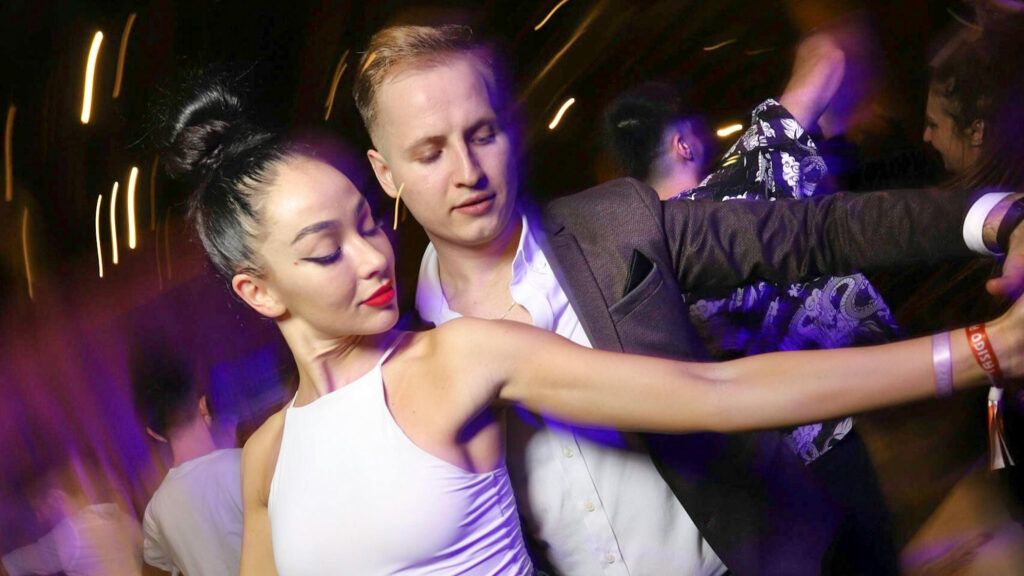
How to Leave a Better Impression on the Women You Dance With
I promised I wasn’t going to completely abandon the original topic. I’m not going to teach you how to “pull” women at a dance social; that mindset will actively work against you. But I will share what actually makes women enjoy dancing with you. That’s a more honest goal, and it’s one you have full control over.
And let me be clear: everything below will be 100 times easier if you’re genuinely having fun and not attaching your ego to the outcome of any specific interaction. (If you haven’t been to your first social yet, here’s everything you need to know before you walk in the door, so you’re not figuring it out the hard way like I did)
1. Lead with intention, but be gentle about it
Women are dancing with multiple partners throughout the night. They will absolutely notice and appreciate the man whose lead doesn’t feel like a wrestling match.
Leading light means suggesting rather than forcing. It means using your whole body frame, your facial expressions, and even your breathing to communicate a move, rather than muscling your partner into it. You’re having a conversation, not giving instructions.
Look up Samuel Fun-flow and his sister Melonito on instagram if you want a masterclass in what dancing-as-conversation actually looks like. They talk about this idea constantly, and seeing it in practice will shift how you think about leading entirely.
2. Be musical and actually listen to the song
This is the most direct way to connect with your partner, full stop.
You and the woman you’re dancing with are two different people responding to the same music. When you do a move that syncs with an instrument, or you freeze when the music drops out, you’re showing her what’s inspiring you. She can tune into that same source. Your movement and hers becomes complementary. Suddenly you’re not just doing steps, you’re sharing something.
Give her space to shine too. If she’s feeling the music and wants to express herself, let her. You express yourself. Then come back together and gently lead again. That back-and-forth is where the real magic of social dancing lives.

A Final Word for Fellow Introverts and Beginners
Don’t make dancing your entire personality. It won’t (and shouldn’t) replace your communication skills, your values, or who you actually are. It’s a catalyst to get you out there more, not a character transplant.
I’ve been in the headspace of I’m special because I can dance, and I’ve felt what happens when that illusion crashes: you show up to a social where you’re not feeling it, you get outshined by better dancers, someone declines your ask, and suddenly you’re spiralling – if I’m not good at this, I’m nothing. That’s a brutal place to be, and it’s an endless cycle of good nights followed by bad ones. (I’ve felt this same ego trap in another discipline too. Starting BJJ taught me the same lesson the hard way and when you tie your identity to performance, the bad days hit twice as hard.)
Dance as a release. A place to step outside your own head and leave behind the fear of embarrassment. Not a performance. Not a projection of some version of yourself you’re trying to sell to others.
Do that, and you’ll be someone that people (yes, including women) genuinely enjoy being around on the dance floor.
Want to make sure you’ve got the right gear before your next social? Check out the Best Dance Shoes for Salsa and Bachata (2026 guide for men and women).