
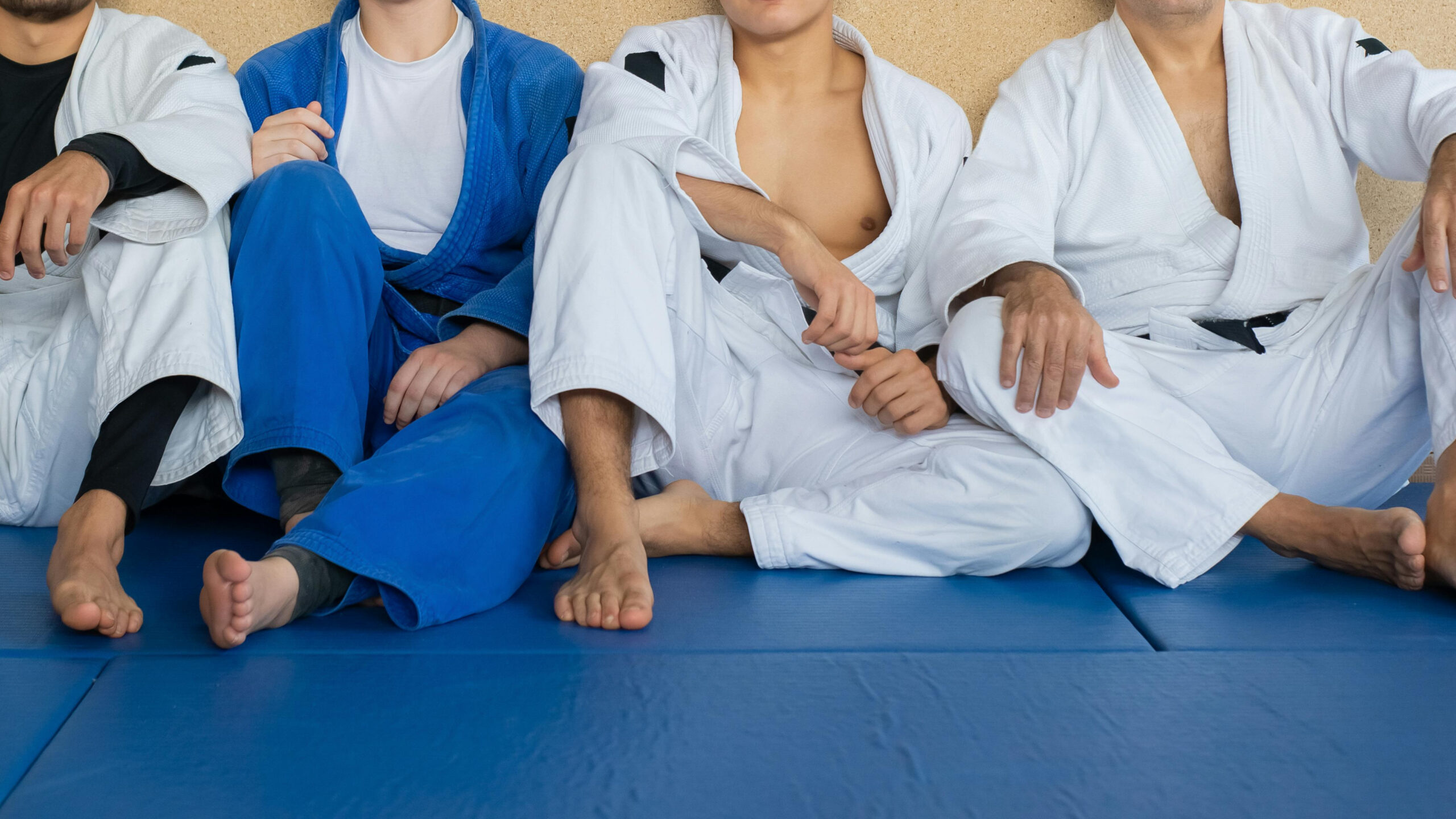
Starting BJJ is exciting, but it can also be confusing, frustrating, and a bit of a shock to the system.
There is a lot you pick up just by showing up and training, but there are also things that only really make sense after you have spent some time on the mats. Things that, if you understood them earlier, would make the whole process smoother and a lot more enjoyable.
Looking back on my first three months, there are a handful of lessons that stand out. Not just about technique, but about mindset, training, recovery, and how to approach the sport as a whole.
This is what I wish I knew when I started.
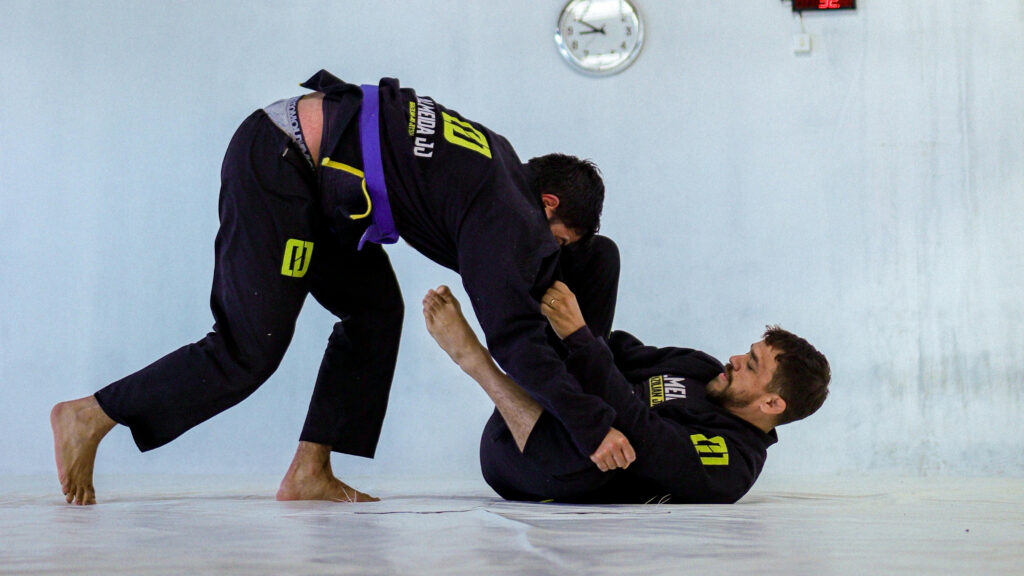
Intuition only goes so far. I had wrestled with my siblings before, but I was still surprised, and this is what got me hooked and interested in continuing in the first place, when a teenager, almost 10 years younger than me and probably 15kg lighter, could keep me on my back and submit me multiple times in the space of five minutes.
BJJ is a humbling sport, and having real knowledge of how to fight will always be an advantage in any situation where it might need to be used. While I know I will be more capable in conflicts outside of the gym, my desire to avoid them has only increased. Injuries happen in the controlled environment of a BJJ gym, so outside of the gym the likelihood of anyone involved in a fight getting injured is even higher. I only truly understood this through rolling. I have gained a deep appreciation and respect for BJJ as a dynamic game of physical chess that challenges both the mind and body, rather than as an intimidation tool used to build pseudo self-confidence.
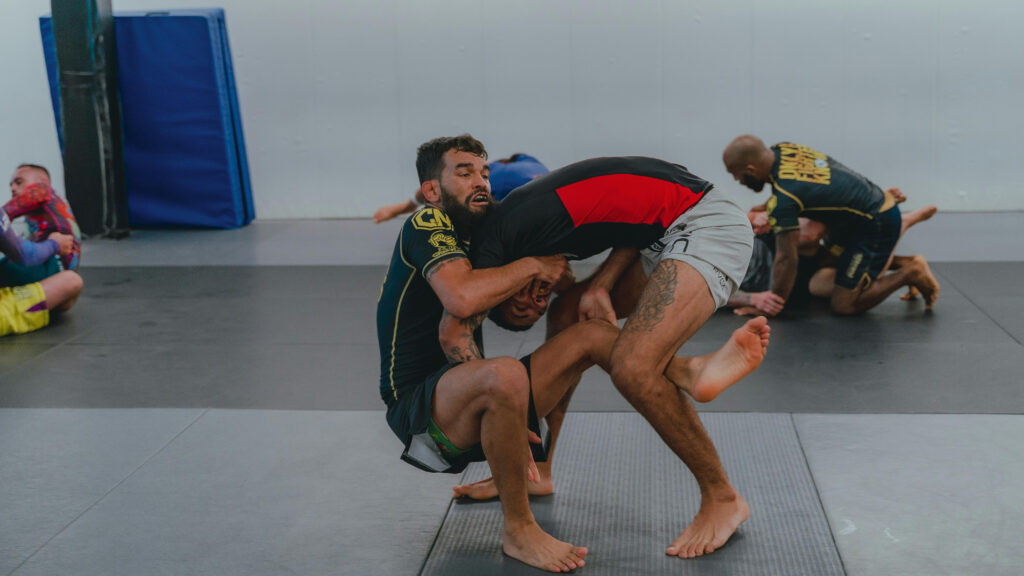
Ego goes out the door when you start training with people outside your gym and when you start competing. I am only four competitions in as a blue belt with three years of training. You have to deal with fear. The stakes are now real, mentally because you have people watching, and physically because the intensity jumps to 100 once people want to win. On top of that, you are now fighting someone you do not know.
When you train with your regular peers at your gym, you get used to their submissions, their tricks, and the way they move. Those are patterns that your jiu jitsu becomes bounded by, because it works partly because you know how they will react to certain things. By rolling with people you do not normally roll with, whether that is by attending a class at another gym or by competing, you break that ranking order in your head of who you are better than at BJJ.
Not only does jiu jitsu stop being about outshining people and going through the motions of beating people in ways you are already comfortable with, because there will always be someone better than you who knows things you do not, but you also have a new mountain to climb. The mental one. Competition fear is something that never really goes away, and learning to deal with it is incredibly hard. It is, though, something that can be learned through repetition, and doing so will push you to keep learning, uncover flaws in your game, and, most importantly, make you better at dealing with fear and discomfort, which will make life outside of BJJ so much sweeter. Roll with new people and compete as much and as soon as possible.
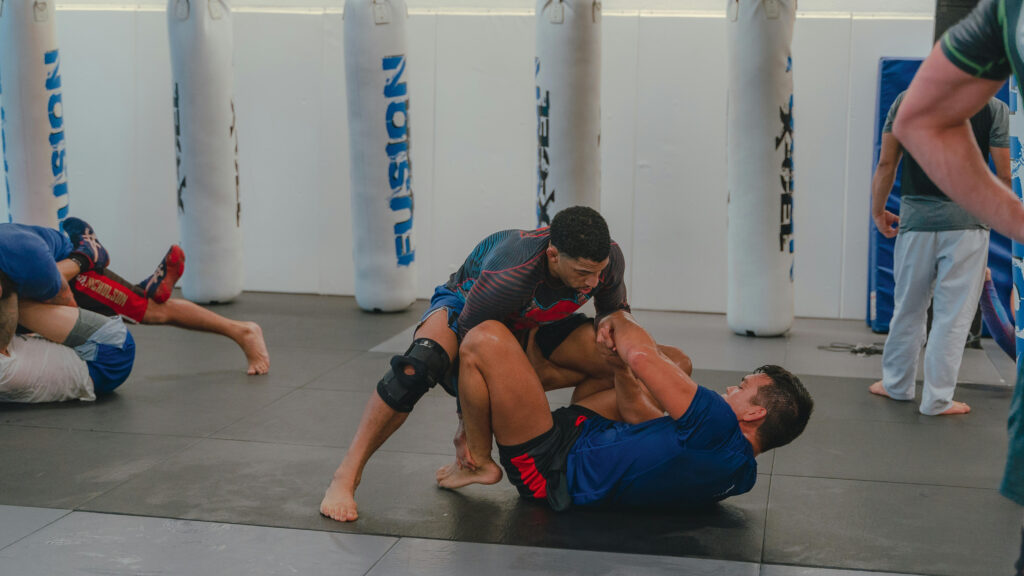
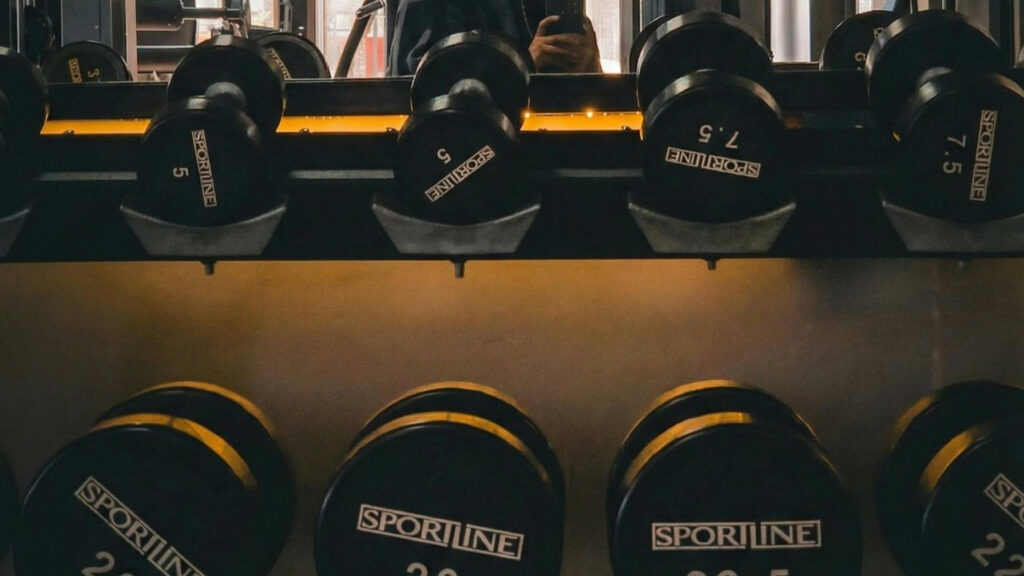
Skill is important, but fitness, cardio, and strength can beat it. Do not get lazy with your body work outside of the BJJ gym. Eat well and get strong. On top of my three to four days of BJJ, I go to the gym three days a week. I talk about my specific workout routine and program here, but my main approach is to get stronger and bigger, and hypertrophy training is what gets me there, while also keeping my heart rate kind of up by super-setting opposing muscle groups as much as possible. This saves time and allows me to get home quicker so I can recover quicker too.
It is very hard to maintain a physical intensity of 100 percent in every roll at every training session. I am in my mid twenties and I am already not recovering as quickly as I did two years ago, and I have niggling injuries that come and go. I do and use these things to recover as efficiently as possible, but generally I try to get my sleep on track and stretch, all things you have heard before. Obviously you want to work as hard as possible, and that is a good mindset to have, but listen to your body and find a balance.
Obviously, the more you go, within reason, because otherwise I would be contradicting my last point, the more you progress. However, there are two factors that limit or prevent this progression.
The first is that you need to go into training with specific goals. It was super tempting when I first started in the sport to try and memorise multiple fancy moves I had seen the night before on Instagram reels, but this does not work. You forget them by the time you get into jiu jitsu because they are context specific. I remember that it was a slick back take, but I do not remember where from. They are unrelated to each other and too varied, and some just do not work for you. Which is okay, you have to try things to know if they do. But doing what I will suggest below will prevent this kind of failure from happening as much.
The second is your gear. I thought I could get by with one gi and one rash guard. Turns out, I am working 50-hour weeks and finishing training at 8:30pm. I do not have time to wash and dry my gi. Having multiple gis makes this frequency of training possible for me. This is what I use.
This was a realisation I had much later on in my jiu jitsu journey than those first three months, but it is a mindset I am working on gaining now, and my training would have progressed faster if I had adopted it earlier. It might just be specific to my case, although I am sure some of you can relate too if you, like me, train at a gym with mostly beginners and white-belts.
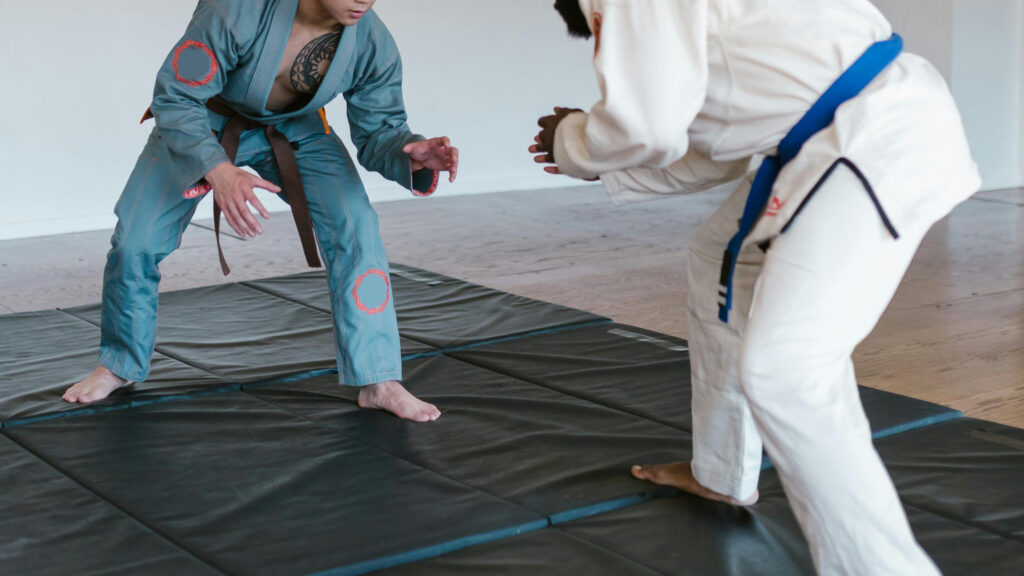
Try to roll with people who will give you the hardest time possible when you have the chance. Being surrounded by people who are not as advanced as you puts you into a loop of wanting to roll with them because it feels easier. This advice is related to competition as well. Do them as early as possible. They are scary, but the more you do them, the better you become at managing fear and nerves. And I am a big proponent of the idea that exposing yourself to things you are scared of or uncomfortable with, as much as possible and in a controlled manner, while constantly reflecting on how you can deal with it better, is directly correlated to your quality of life and how you make the world better.
Make your training hard. Do not show how tired you are after each roll. Stand up, fix your gi, belt, and hair, and be ready for your next one.


Pingback: Best BJJ Gear You Should Be Using in 2026 - My Grit Flow