
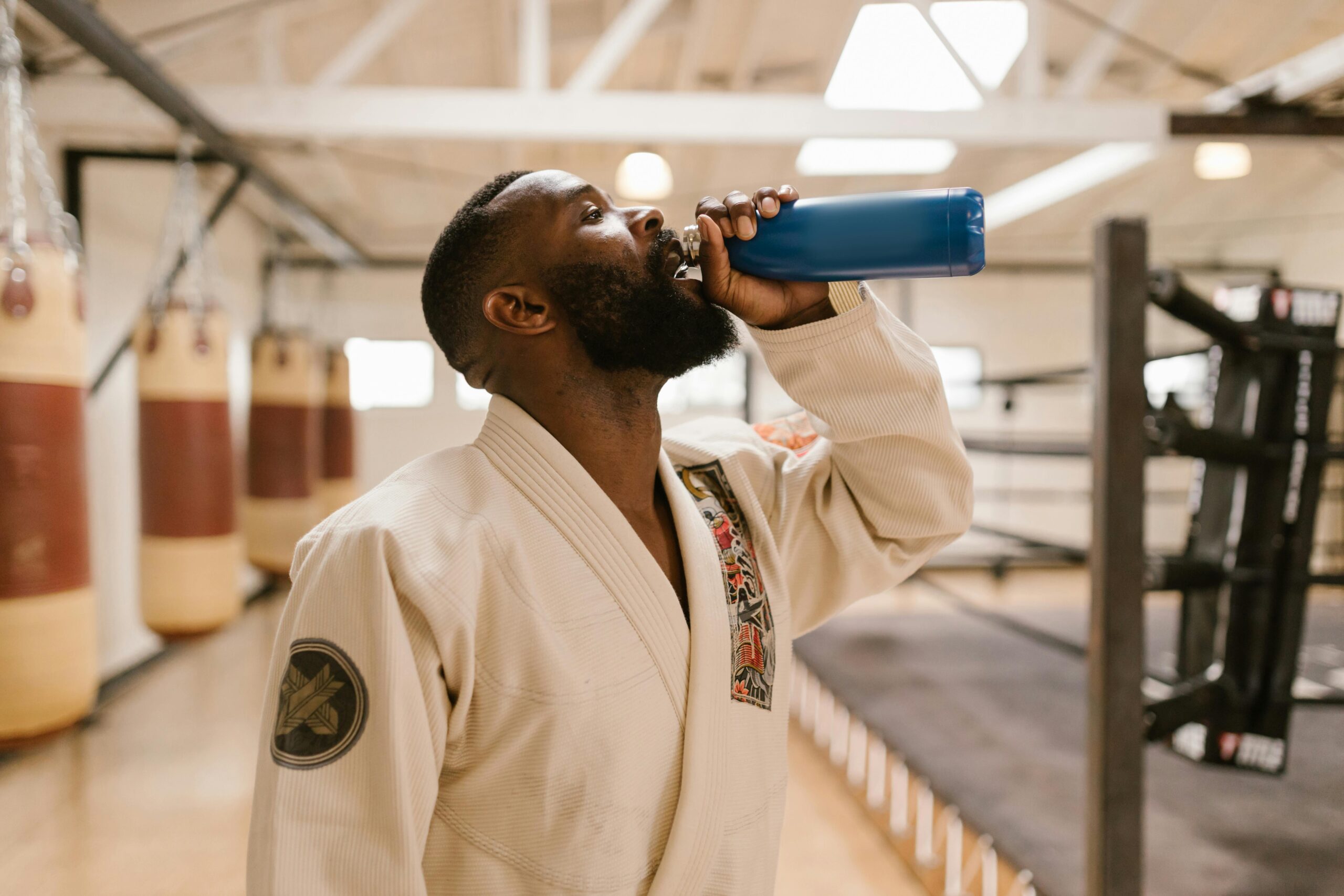
Brazilian Jiu-Jitsu is brutally effective — and brutally unforgiving on the body. Between constant gripping, awkward pressure, and joint-heavy positions, most practitioners don’t quit because they lose interest. They quit because their bodies give up first.
That’s why investing in the best BJJ recovery gear isn’t optional if you want to train consistently, improve faster, and stay on the mats long term. The right recovery tools help manage soreness, support injured joints, and speed up muscle repair — without replacing actual training time.
Recovery gear is only one part of training smart. If you’re looking to build out a complete setup for the mats — from training essentials to long-term durability — our guide to the best BJJ gear breaks down what actually holds up under real rolling conditions and what’s worth skipping.
Below is a curated list of recovery essentials that BJJ athletes actually use, chosen for effectiveness, accessibility, and strong affiliate conversion potential.
Shoulder Support Braces for Rotator Cuff and AC Joint Stress
Shoulders are one of the most vulnerable joints in BJJ — kimuras, americana pressure, posting during scrambles, and collar ties all add up.
A compression brace like the Shoulder Support Brace with Pressure Pad provides targeted stability without fully restricting movement. It’s useful for:
- Light training days
- Active recovery
- Managing chronic irritation while still drilling
This type of brace can be worn under a rashguard and adjusted for either shoulder. It’s especially helpful for athletes dealing with lingering rotator cuff or AC joint discomfort.
Always check competition rules if you plan to wear support gear during matches, as some organisations restrict external braces.
SI Joint and Lower Back Support for Guard Players
Lower back fatigue is extremely common in BJJ, particularly for guard players, wrestlers, and anyone who spends time stacked or inverted.
The Paskyee Back Brace / Sacroiliac Hip Belt focuses on stabilising the SI joint rather than compressing the entire torso. This makes it more comfortable for:
- Long training sessions
- Daily wear outside the gym
- Managing sciatic-style discomfort
This belt is not designed to be worn while rolling, but it’s very effective during warm-ups, cooldowns, and general daily movement to reduce strain accumulation.
High-Density Foam Rollers for Large Muscle Groups
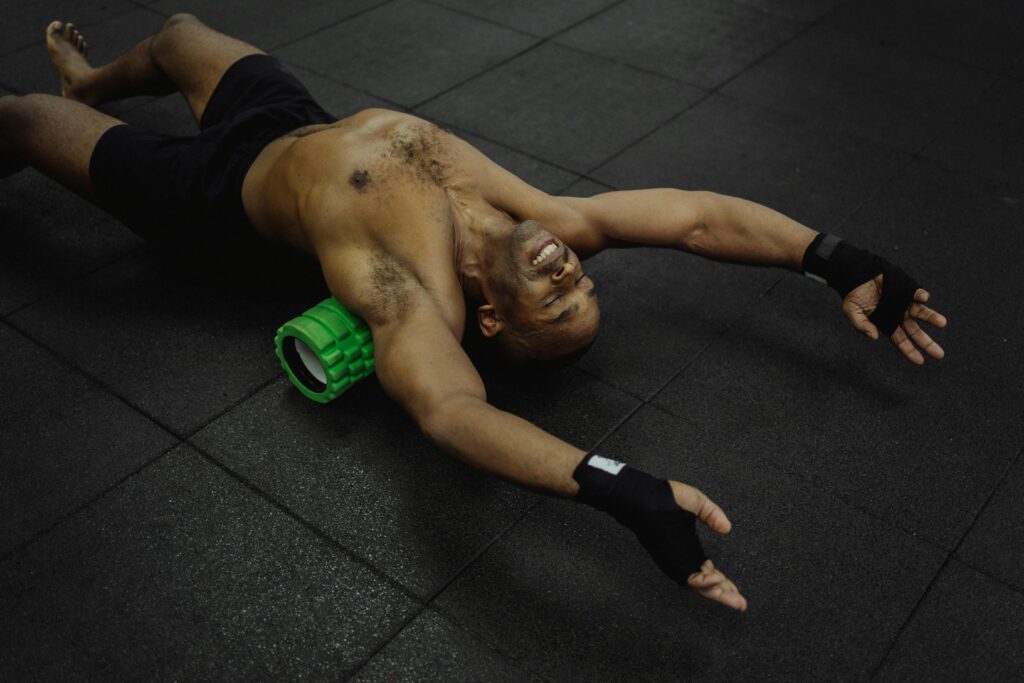
Foam rolling is a foundational recovery tool for grapplers. It improves circulation, reduces muscle tightness, and helps maintain mobility in heavily used areas like the hips, quads, glutes, and upper back.
Two solid options depending on preference:
- Amazon Basics High-Density Foam Roller — simple, firm, and effective
- METEOR EVA Foam Roller — available in multiple lengths with deeper texture for more aggressive release
Longer rollers are particularly useful for thoracic spine work and bilateral leg rolling. Firmer rollers tend to be better for experienced athletes who tolerate pressure well.
Massage Balls for Targeted Myofascial Release
When foam rollers can’t reach specific problem areas, massage balls fill the gap. They’re especially useful for:
- Upper traps
- Glutes and piriformis
- Feet and calves
- Between the shoulder blades
High-quality options include:
- TRIGGERPOINT MB1 Massage Ball
- BLACKROLL DUOBALL 08 (excellent for spinal-adjacent work)
- TRIGGERPOINT MobiPoint Textured Ball for feet and forearms
Massage balls are inexpensive, portable, and highly effective — making them one of the best ROI recovery tools for BJJ athletes.
Percussion Massage Guns for Deep Tissue Recovery
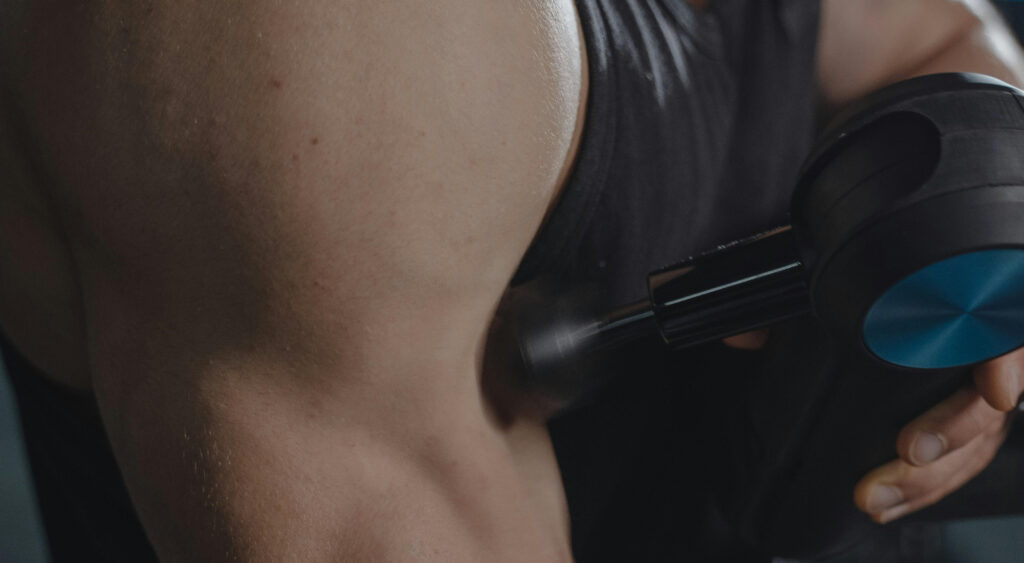
Massage guns are now common in competitive grappling environments due to their ability to deliver deep tissue stimulation quickly.
The RENPHO Muscle Massage Gun is a solid entry-to-mid level option that offers:
- Multiple speed settings
- Quiet operation
- Enough power for large muscle groups
Used correctly, massage guns help reduce delayed onset muscle soreness and improve short-term mobility. They are best used post-training or on rest days — not immediately before intense rolling.
Knee Compression Sleeves for Joint Support
Knees take constant stress in BJJ from passing, guard retention, takedowns, and scrambles. Compression sleeves help by improving circulation and providing light joint stability.
The CAMBIVO Knee Compression Sleeves are suitable for:
- Training sessions
- Warm-ups and drilling
- Post-training recovery
They are low-profile enough to wear under gi pants or nogi shorts. As always, check competition regulations regarding knee sleeves if you plan to compete.
Knees absorb a huge amount of stress in jiu-jitsu, particularly during passing exchanges, scrambles, and takedowns. For a more focused breakdown of support options, materials, and fit considerations, see our comparison of the best BJJ knee supports for training and competition.
Resistance Bands for Mobility and Prehab
Mobility work is one of the most overlooked aspects of grappling longevity. Resistance bands are essential for:
- Shoulder prehab
- Hip activation
- Knee stability exercises
The Meteor Essential Power Bands set allows you to scale resistance depending on the movement. These are ideal for warm-ups before class and controlled rehab-style exercises on rest days.
Consistent mobility work can dramatically reduce injury risk while improving movement efficiency on the mats. If you’re unsure how to structure this into your training, our guide to BJJ mobility training walks through practical routines and the equipment that supports them.
Topical Muscle Relief for Localised Pain
Topical anti-inflammatory gels are commonly used by athletes to manage soreness without systemic medication.
Voltaren Pain Relief Gel is frequently used for:
- Elbows
- Knees
- Fingers and wrists
- Lower back
This is not a long-term solution for injuries, but it can help reduce discomfort during high-volume training periods.
Building a Sustainable BJJ Recovery System
Recovery isn’t about avoiding hard training — it’s about supporting it. The tools above work best when used consistently and in combination with proper sleep, hydration, and intelligent training volume.
For most athletes, starting with:
- A foam roller
- A massage ball
- A compression sleeve or brace
will already make a noticeable difference in how often and how well they can train.
Physical recovery matters, but technical progress ultimately determines how efficiently you use your body. Pairing smart recovery habits with structured instruction can accelerate improvement significantly. If you’re training outside the gym or want extra structure, our breakdown of the best BJJ online course highlights programs trusted by competitors at every level.
Investing in recovery is ultimately investing in mat time — and mat time is what leads to progress in Jiu-Jitsu.


Pingback: Best Grip Strength Training for BJJ (Tools, Exercises & Tips)
Pingback: Best BJJ Gym Bag (2026 Guide): Backpacks, Duffels Options
Pingback: Best Ice Bath Setup for Athletes 2026 My Cold Plunge Routine
Pingback: What I Wish I Knew Before My First 3 Months of BJJ