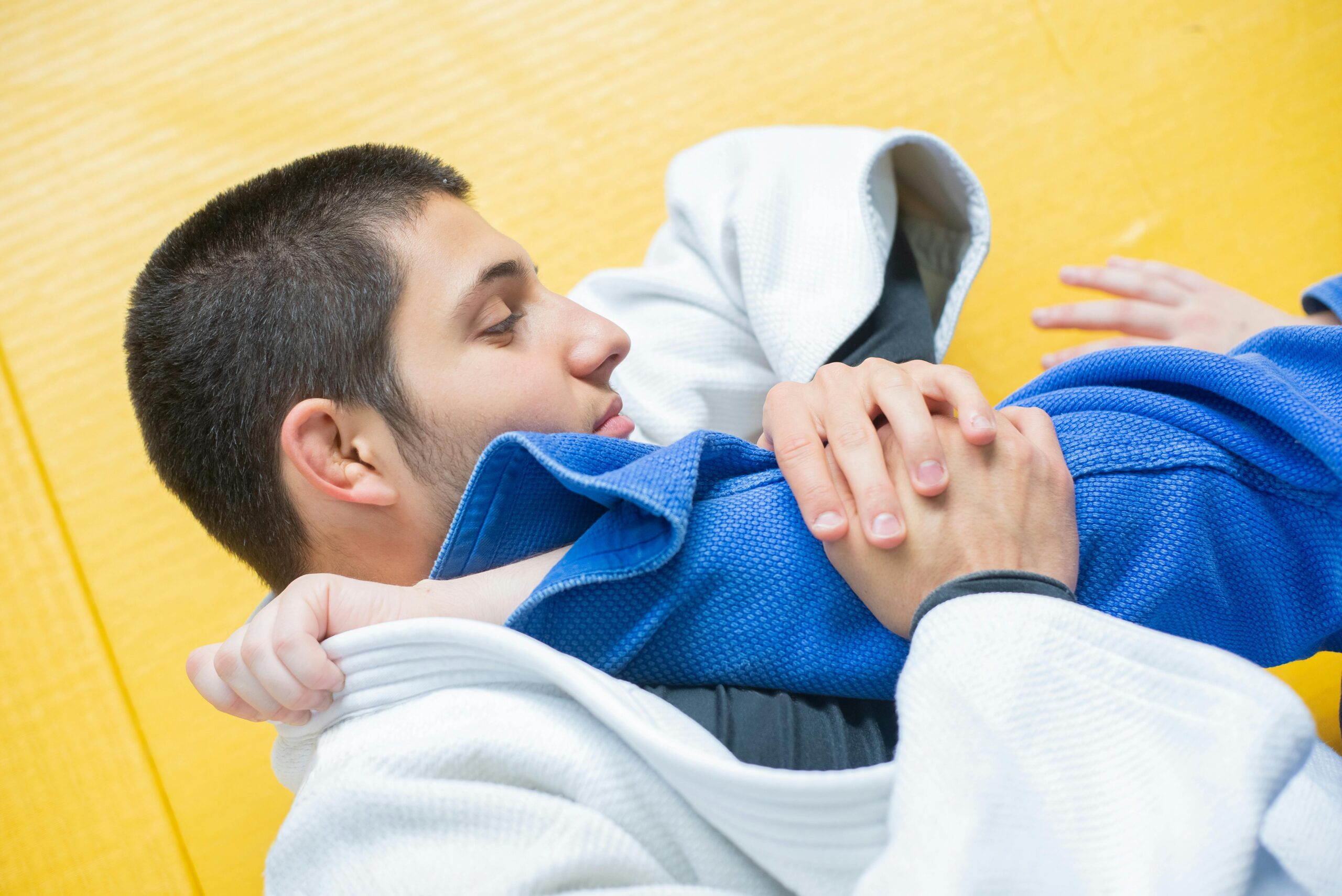
Grip strength is one of the biggest performance multipliers in Brazilian Jiu-Jitsu — especially in the gi. Strong grips mean better control, harder breaks, and less fatigue late in rounds. But building elite grip strength isn’t just about buying gear — it’s about how you train it.
In this guide, we’ll cover:
- The best grip strength tools for BJJ (with real use cases)
- How to train your grip without buying anything
- How to combine both for maximum carryover to the mats
Whether you train gi, no-gi, or both, this approach builds grips that actually translate to competition and sparring.
For a broader look at equipment that enhances your overall training, check out the guide to essential BJJ gear and best strength & conditioning tools for BJJ.
Mygritflow.com may receive advertising or affiliate commission if you buy via our links. Read more here.
Table of Contents
Why Grip Strength Matters in BJJ
In BJJ, grip endurance often fails before cardio or technique. You feel it when:
- Your sleeve grips burn after two rounds
- You can’t maintain collar control
- Your fingers open up during scrambles
- Your forearms pump up and stop responding
Grip strength isn’t just about squeezing harder — it’s about finger strength, wrist stability, forearm endurance, and recovery. That’s why the best results come from combining multiple methods.
You’ll also want to pair this with good recovery practices — if your forearms and hands stay sore after training, check out the best BJJ recovery gear to keep your grip muscles ready for the next session.
Best Grip Strength Tools for BJJ
Adjustable Hand Grippers (Crush Strength)
GD GRIP PRO Hand Grip Strengthener (13–45kg)
Adjustable hand grippers are one of the simplest ways to build raw crushing strength, which carries over to closing grips and finishing holds.
Why this one works well:
- Adjustable resistance lets you progress over time
- Easy to use anywhere (home, work, between rounds)
- Strong build quality compared to cheap grippers
Best for:
Gi players, no-gi athletes, and anyone wanting stronger finishing pressure.
How to use it for BJJ:
- 3–5 sets of slow, controlled reps per hand
- Focus on full closes and pauses at the top
- Use higher reps for endurance, lower reps for max strength
Finger Extensors & Balance Training
Airisland Hand Grip Strengthener Finger Stretcher (3-Pack)
Most BJJ athletes only train closing strength — and that’s a mistake. Neglecting finger extensors leads to pain, stiffness, and injury.
These resistance bands:
- Strengthen the muscles that open the hand
- Improve finger balance and joint health
- Reduce elbow and finger overuse injuries
Best for:
Gi players, climbers, high-volume trainers.
How to use:
- High reps (20–30+)
- Daily or post-training
- Great between rounds or during recovery days
This pairs well with other methods in best BJJ home training equipment, where building volume without destroying your joints is key.
Individual Finger Control & Dexterity
D’Addario Varigrip Adjustable Hand Exerciser
This tool lets you adjust resistance per finger, which is extremely useful for gi grips that rely heavily on index and middle fingers.
Why it’s useful for BJJ:
- Targets weak fingers individually
- Improves finger coordination and endurance
- Helps simulate uneven gi grips
Best for:
Gi players, people rehabbing finger injuries.
Wrist & Forearm Endurance
Yes4All Wrist and Forearm Blaster
If your wrists fail, your grips fail — no matter how strong your fingers are.
A wrist roller builds:
- Wrist flexor and extensor strength
- Forearm endurance
- Stability under fatigue
How to use it:
- Slow controlled rolls
- Focus on time under tension
- Use lighter weight than you think — it gets brutal fast
This is especially helpful if you’re working on strength & conditioning for BJJ, where forearm fatigue limits your ability to train effectively.
Finger Protection & Longevity
IRON FIGHTER Athletic Finger Tape (5-Pack)
Finger tape doesn’t make you stronger — it lets you train harder and longer without injury, which is what actually builds grip strength over time.
Use tape to:
- Protect sore joints
- Reduce skin tearing
- Support injured fingers during training
This accessory is also highlighted in the essential BJJ gear guide as a must-have item.
Thick Bar & Grip Amplification
Fat Gripz turn every pulling exercise into a grip workout.
Use them on:
- Deadlifts
- Rows
- Pull-ups
- Kettlebells
They increase time under tension and force your hands to work harder — without changing your entire program.
This tool pairs well with best BJJ strength & conditioning tools, where compound movements benefit from extra grip emphasis.
Measuring Your Grip Progress
Handeful Grip Strength Dynamometer
What gets measured gets improved.
A grip dynamometer allows you to:
- Track strength progress objectively
- Compare left vs right hand
- Adjust training intensity intelligently
Test once every 2–4 weeks — not daily.
How to Train Grip Strength WITHOUT Buying Anything
Equipment is helpful — but the best grip strength training often comes from replicating BJJ-specific challenges.
Here are the most effective non-product methods.
Gi Pull-Ups (Highly Recommended)
Drape your gi over a pull-up bar and grip the sleeves or lapels.
Benefits:
- Direct carryover to gi grips
- Builds finger endurance and wrist stability
- Brutally effective with minimal gear
Start with long hangs and progress to pull-ups and timed holds.
This is a perfect no-gear addition to your home training routine.
Towel Pull-Ups or Towel Hangs
No gi? No problem.
Wrap a towel over any sturdy bar and grip the ends.
This builds:
- Crushing + pinching strength
- Grip endurance under instability
- No-gi applicable grip power
Pair this with best grip tools for BJJ for maximum strength adaptation.
Rice Bucket Training (Elite but Underrated)
Rice bucket training is one of the best grip methods ever created.
Fill a bucket with rice and perform:
- Grabs
- Twists
- Finger extensions
- Wrist rotations
Benefits:
- Strengthens fingers in all directions
- Improves joint health
- Reduces injury risk
Try 5–10 minutes post-training for best results.
Mat-Specific Grip Training
During drilling or sparring:
- Hold grips longer than necessary
- Avoid resetting unless forced
- Focus on grip retention, not just acquisition
Context-specific training like this complements tools and builds functional grip endurance that shows up when it matters most.
This links directly to structured BJJ training methods in your routines.
How to Combine Everything (Simple Weekly Plan)
Here’s a practical weekly template:
2–3x per week:
- Gi or towel hangs
- Wrist roller work
- Adjustable gripper sessions
Daily / recovery days:
- Finger extensors
- Rice bucket work
- Light handheld drills
Always:
- Use finger tape when needed
- Track progress monthly with a dynamometer
For additional recovery strategies to keep your forearms fresh, explore best BJJ recovery gear.
Final Thoughts
Strong grips don’t come from one tool — they come from a consistent blend of context-specific training and targeted strength work.
The products listed above give structure and progression, while bodyweight and low-tech methods ensure your grip strength translates to real rolling, not just gym numbers.
Pair this article with your existing reviews of BJJ home training equipment and strength & conditioning tools, and you’ll have a full ecosystem of content that serves beginners and competitive athletes alike.